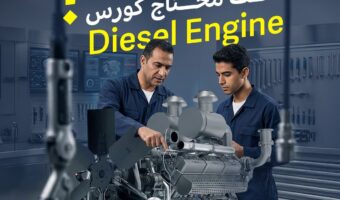
Diesel Engine
About This Course
Diesel Engine
The course covers
- Diesel engine fundamentals and safety
- Engine components and mechanical systems
- Engine operation and performance analysis
- Air intake, turbocharging and exhaust systems
- Cooling and lubrication systems
- Fuel injection systems across different engine technologies
- Electronic engine control and monitoring
- Structured troubleshooting and diagnostic methodology
Learning Objectives
• By the end of this program, participants will have stronger awareness of:
• Understand and compare diesel fuel injection systems across different technologies
• Analyze fuel system behavior and its impact on engine performance
• Apply structured diagnostic methods instead of trial-and-error
• Identify and differentiate between fuel-related faults
• Interpret engine symptoms such as starting issues, low power, and smoke
• Recognize contamination risks and apply proper maintenance practices
• Improve troubleshooting accuracy and reduce downtime
• Work across multiple OEM fuel system architectures
Curriculum
30h
Diesel Engine Fundamentals
Build a strong technical foundation in diesel engine principles and establish safe practices before operation, inspection, maintenance, or troubleshooting.
Topics
• Engine main components and terminology
• Diesel combustion and energy conversion
• 4-stroke cycle with real engine behavior
• Compression effect on engine performance
• Safety during inspection and testing
Engine Components & Mechanical Systems
Understand mechanical structure and how failures affect engine performance.
Topics
• Piston, rings, and cylinder interaction
• Crankshaft, bearings, and load transfer
• Cylinder head, valves, and sealing
• Timing system and synchronization
• Mechanical wear and failure indicators
Engine Operation & Performance Analysis
Interpret engine performance and detect abnormal conditions.
Topics
• Starting and cranking behavior
• Idle stability and combustion quality
• Load response and power delivery
• Fuel consumption and efficiency
• Smoke analysis and performance faults
Air Intake, Turbo & Exhaust Systems
Understand airflow systems and their effect on combustion.
Topics
• Air intake system and filtration
• Turbocharger operation and boosting
• Intercooler and air density
• Exhaust flow and back pressure
• Air system-related performance faults
Cooling System
Understand temperature control and diagnose overheating.
Topics
• Cooling system components and layout
• Coolant circulation and heat transfer
• Thermostat and temperature control
• Common cooling system failures
• Overheating diagnosis
Lubrication System
Understand lubrication role in protection and failure prevention.
Topics
• Lubrication system components
• Oil circulation and pressure control
• Lubrication effect on wear
• Common lubrication faults
• Oil-related engine damage
Fuel Injection Systems
Understand different fuel systems and their applications.
Topics
• Fuel flow and filtration
• Mechanical injection systems
• Electronic injection systems
• Common Rail systems
• OEM applications and differences
Electronic Engine Control
Understand engine control systems and their role in diagnostics.
Topics
• ECU function and control logic
• Sensors and signal interpretation
• Actuators and control systems
• Engine protection and derating
• Fault codes and warnings
Engine Diagnostics & Troubleshooting
Develop structured diagnostic skills for real engine faults.
Topics
• Diagnostic methodology
• Symptom-based troubleshooting
• System isolation approach
• Measurement and verification
• Root cause analysis
Engine Faults, Diagnostics & Troubleshooting
Develop structured troubleshooting skills for engine faults.
Topics
• No start and hard start
• Low power and performance
• Overheating and smoke
• Diagnostic logic


$200.00